Until recently, the most I had come to understanding what it truly means to be African, especially, “Black African” was only a few years ago: in the wake of the pandemic. Owing to the prevalent hibernation from the global lockdown, and my unalloyed passion for African history, I had volunteered as a Research Assistant with a Canadian-African organisation for its Summer Institute on African History.
It was a month-long programme that attracted hundreds of Africans and Non Africans alike, taking all on a sensational excursion into the rudiments of African history. Although it had been only for a month, it was intense. The classes (taught by notable eggheads of African history and pan-African backgrounds) took every one to an unimaginable realm of renaissance, to that true place of African rebirth, the Ubuntu abode.
The institute had been the most engaging space I have ever experienced in my entire life. From the thought-provoking topics to the riveting discussions, every moment counted. Attempts at exhuming and remodelling many ensconced crooked narratives were made. Emotions surged, swirled, coagulated and imploded, and splattered all over. Often than not, I held my breath in consciousness of the feelings of the “Whites” who had been on the calls. But, to my relief, they appeared to have understood. They indulged, and stooped.
In its awkwardness, everyone (both white and black) had come to the understanding that the unlatched can of worms, though convoluted, would never serve the desired retribution for the many adversities faced by Africans. So, it appeared that we all had genuinely understood that like many others, this was a platform, a conduit for undiluted expressions around the many biases; an outpouring about the frustrations and designs which are said to have consistently nudged the feeble foundations and growth of Africa – ones which the Europeans, understandably, would always be held responsible for.
However, as the discourse climaxed, I’d come to learn, to my utter dismay that the core of those plaints was hardly much about the Europeans as it was about me: about an African living in Africa. Not until that moment, I never had quite understood what Africans in diaspora, especially African Americans had felt towards Africans at home. Back home, we have over the years, decried and wailed over the devastating effect of colonialism, and the Trans-Atlantic slave trade, sellotaping all our “indelible” woes on them. We have unrepentantly maintained that those two periods of our history had obliterated the course of our development more than anything else. I for one, had taught classes on Pre-colonial, Colonial and Post-colonial Africa to college students. I had read and I knew about the sufferings and inhuman treatments that African slaves had faced in the hands of the slave masters, and as expected, I knew there exist an iota of resentment from those who were enslaved towards those who were not, especially considering the complicity of some Africans in the act. But, never had I envisaged nor understood the extent to which an existing animosity or discontent by Africans in diaspora towards Africans in Africa had grown.
Before that eye-opening event, I had begun a study that was meant to expose the erring side of Africans in history. The actions and inactions of Africans that had culminated into our unfavourable disposition to world history. My primary goal being to paint an unpopular picture with which we could possibly begin to pull away from our muddy mind of victimhood. To explain our culpability, in the right sense. For instance, I had hypothesised that the table of history had turned in a sort of way; that the coin had been flipped the other way, and Africans had been the ones who were undergoing a period of industrial revolution. That they were in dire need of labourers, and of markets for their goods. That they were in possession of the requisite technologies and know-hows, setting up plantations in America and other parts of the world, competing among themselves to grow their economies, and needed to spread their tentacles across all corners of earth, unabashedly. My question then was: would Africans have been too modest and kind to not have done what the Europeans did? This is also considering the level of exploitation of Africans by Africans before and after the coming of the Europeans, and that slavery and slave trade had not started only when the Europeans scampered to Africa (the Trans-Atlantic voyages). Slavery, in fact is as old as humanity. Europeans had enslaved their fellows at some time and so had Africans. It was actually widely accepted in Africa at the time the Europeans arrived which was what aided the Trans-Atlantic trade the most.
Meanwhile, it’s pertinent at this point that I clarify that the above hypothesis, no matter how rasping and controversial it may sound was never intended to underplay the devastating effect of slave trade or colonialism in any way. Neither was it to justify the inherent ills. Or, the racial abuses, the inhuman treatments, and perpetual subjugation and annihilation of Africans. It was not none of it. I was merely angered and frustrated like any other passionate African. Our inability to ever rise to the occasion when it mattered the most – our continued display of weakness – our unending submission was becoming overly numbing. I was beginning to assume that we have played the victim for far too long, and were apparently playing ourselves.
I was still living in Africa at the time and had been a first-hand witness to the plethora of injustices and depravity of Africans to Africa, our own inhumanity to ourselves. The bad governance, the unscrupulous hegemony, and the class consciousness, and indiscriminate abuses. I had seen the rash and emotionless attitudes of the haves against the have-nots – the trampling, the discrimination, the recklessness, and desperate longings to lord over others. This being a behavioural pattern I’ve been able to trace to the earliest times, and for some reasons, I was almost compelled to see the Europeans as victims: as those who had meddled in our mess, delved right into our dung and as a result, had gotten stained in the process, and unfortunately had taken the blames. I felt that though our cause as a people may have been obstructed in a way, we needed to have woken up by now, and re-root ourselves.
I quite understand how handicapped we may have been as a people. I also understand the dearth created by the complexities of our historical journey; and being that one of our major setbacks is our bereftness of an authentic historical account. Having been merely handed a bogus and scanty record of our purported history, one that is so outrageously blurred and altered that it hardly translates to anything near our realities, we are seen to be standing on a perpetual seesaw. Yet, I’m most perturbed that as it appears, we may be permanently stuck, and may never find our way out.
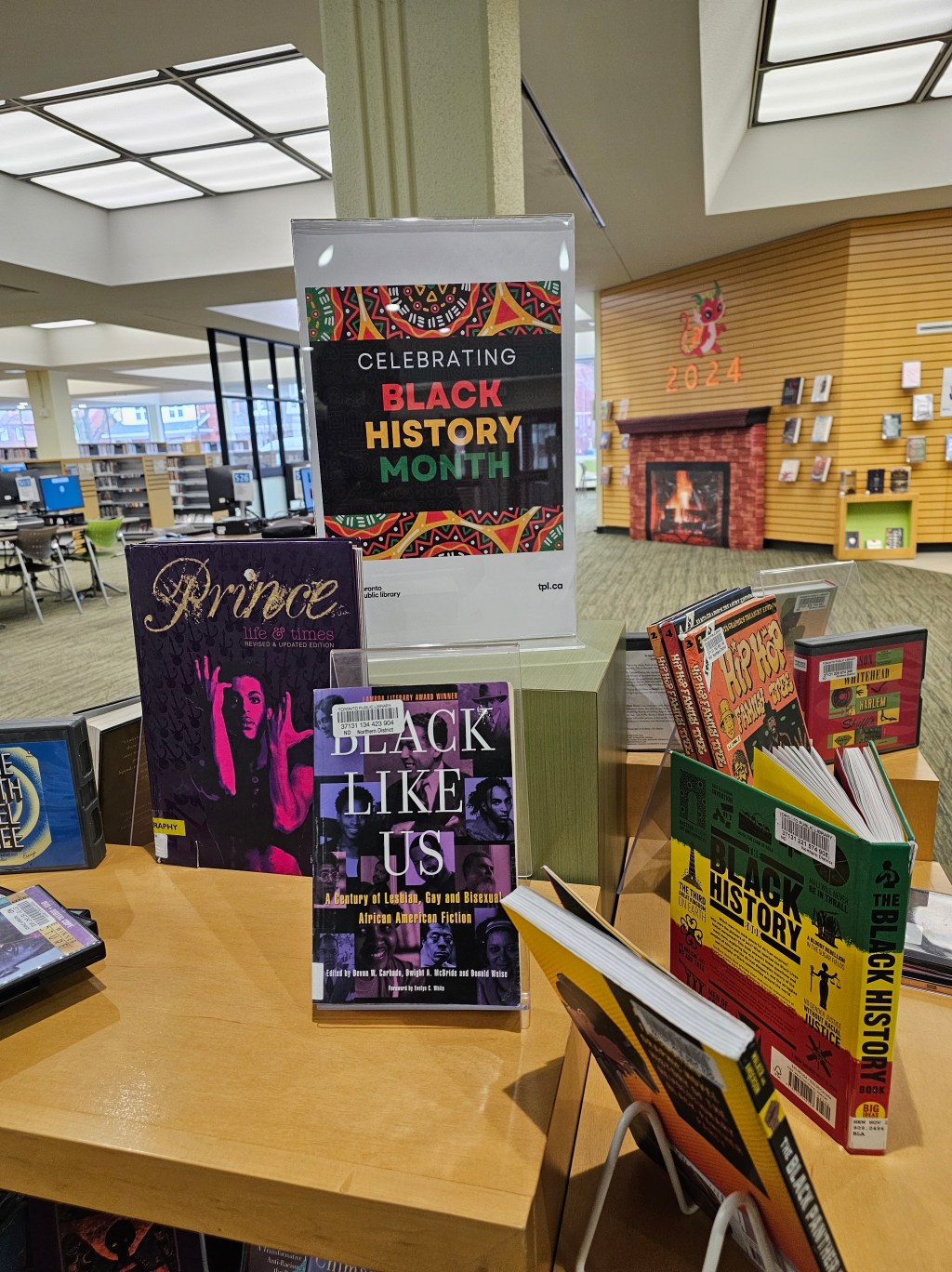
This had been my major fear, one I had never stopped expressing at any given opportunity; until that exposure with the African History class which provided a deepened insight, revamping and reengineering my position and beliefs. For instance, before then, I had held a brash position about the Black History Month, slamming the choice of the word “Black”. It never quite sat well that the human race would for any reason be categorised by the distinctiveness of skin colours. Even, I had naively argued that no race was either “White” or Black enough, and had considered such classification and its acceptance by Africans as not only derogatory, but as constituting part of the problems. A problem the “ Black History Month” was supposed to be solving, not promoting. But, I would come to learn better.
Ultimately, while the event had modified my ideas and knowledge of African history, it did not alter my preconceived hypotheses and reservations about our approaches towards repositioning Africa. Rather, it had tweaked my views in ways that I began to seek grey areas around the issues bothering on the promotion of African heritage, vis a vis the collective interest of all Africans, both home and abroad, and the entirety of humanity. I have come to envision that the most important aspect of advancing an Afrocentric cause would be to initiate a true and spirited reconciliation of all Africans, on one hand, and with other races on the other hand. To get us all on the same boat of an enduring freedom. We need to fashion out modalities that project the interest of Africa. Ones that are devoid of rancour and retaliations. And the bulk of this duty, i must state, lies on the onus of the African continent. The African leaders must have to rise up to the occasion, relinquishing their devilish selfish interests for the interest of all. They must also seek sincere collaborations both from Africans in diaspora, and every other concerned parties.
In conclusion, I hereby applaud the works of Africans in diaspora. I salute their courage and resolute commitment to advancing the interest of all Africans. I have come to relate more with the many concerns, and their efforts over the years. The scars, the struggles, and the unsung victories. I commend them, and everyone who has committed to building this universe into an egalitarian space where Equality, Diversity and Inclusion thrive. I therefore, enjoin all, as we commemorate the Black History Month this year to stay committed to the cause as we strive to build a world of equal opportunities, Peace and Love. An Igbo (my local dialect) adage says: “a man does not get tired on the journey to his home”.








 Michael Ogbu
Leave a comment