One of the biggest challenges privacy teams face within organizations isn’t just aligning internal policies with regulatory requirements. That part, while complex, is often expected. But the real challenge is communicating that alignment in a way that actually lands with people.
Because while internal privacy policies are typically positioned as Standard Operating Procedures guiding workflow, most employees don’t necessarily understand the regulatory backbone behind them. To many, it’s just another document – another rule to follow.
And that’s where the real work begins.
Developing privacy policies – both internal and external – is central to what we do. But it’s not just about drafting compliant documents. It’s about translating law into practice in a way that makes sense within the organization. And that translation requires context.
Start With the Organization, Not the Law
One truth I’ve come to appreciate over time is this: as a privacy professional, you don’t fully belong in an organization until you understand its goals.
Yes, knowledge of the law is critical. But what truly sets effective privacy work apart is the ability to interpret those laws and embed them into workflows in ways that align with the organization’s mission and vision. Reason being that privacy doesn’t exist in isolation – it must reflect the organization’s DNA.
The RITE of Privacy Work
Over time, I’ve come to frame this responsibility through what I call the RITE of Privacy Work – four pillars that not only support strong privacy programs but also sustain effective records and information management systems:
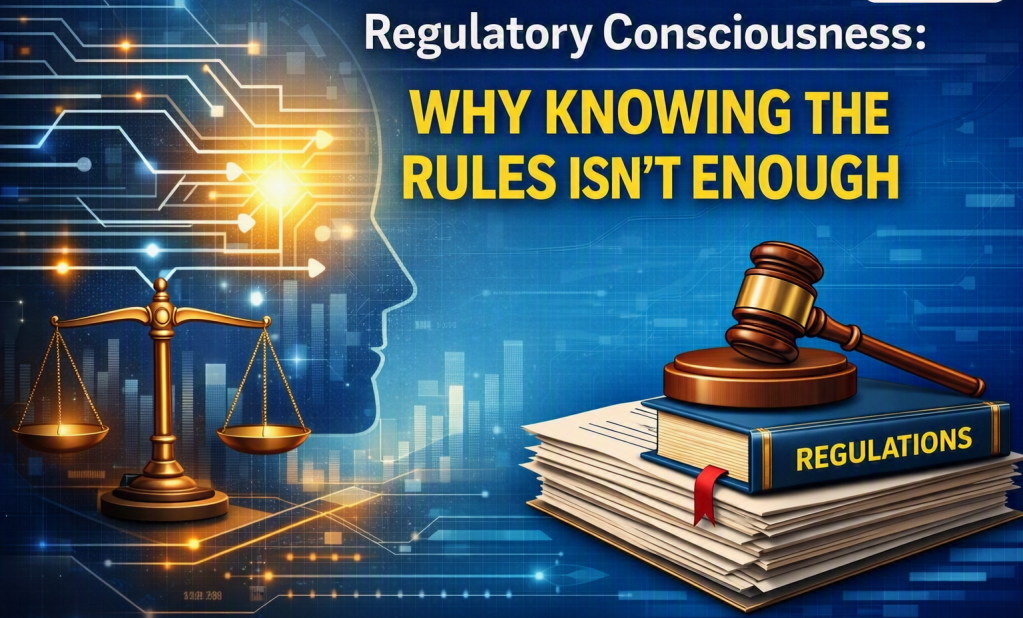
1. Regulatory Consciousness
This goes beyond knowing the law. It’s about understanding which laws apply in specific contexts and how to operationalize them within real business processes.
2. Industry Awareness
Privacy is not static. New laws emerge, existing ones evolve, and technologies continue to shift the landscape. Staying informed is not optional, it’s foundational.
3. Training and Reinforcement
Privacy cannot live in policy documents alone. It must live in people. Continuous training ensures that privacy principles are not just remembered but practiced.
4. Engagement Through Communication
This is where alignment is built. Effective communication bridges the gap between compliance and execution, helping teams understand not just what to do, but why it matters.
From Obligation to Integration
Too often, privacy professionals fall into the trap of citing regulations to justify decisions. And while that may be technically correct, it rarely drives meaningful adoption.
What matters more, then, is the ability to distill those requirements and embed them into workflows in ways that resonate with different teams.
Because the goal is not just compliance. It’s integration. A well-designed privacy program doesn’t feel imposed – it feels natural. It aligns with how the organization already works while quietly strengthening its foundations. At its best, privacy is not a constraint on the organization. It is an enabler of trust, efficiency, and sustainable growth. But that only happens when we move beyond policy documents, and into practice

Welcome!
I’m Michael

An information and privacy professional passionate about how we manage, protect, and empower through data.
With over a decade of cross-disciplinary experience in librarianship, research, records management, and digital literacy, I work at the intersection of data privacy, information governance, and AI ethics. Whether building systems that protect sensitive information or advocating for equitable access to knowledge, my goal is simple: to help organizations and individuals make smarter, safer decisions in a data-driven world.
This is where insights meet impact. Where storytelling, strategy, and stewardship come together. Let’s explore what it means to govern information with clarity, care, and conscience.
Let’s connect
Join my Newsletter
Stay updated with my writing by joining our newsletter.





Leave a Reply